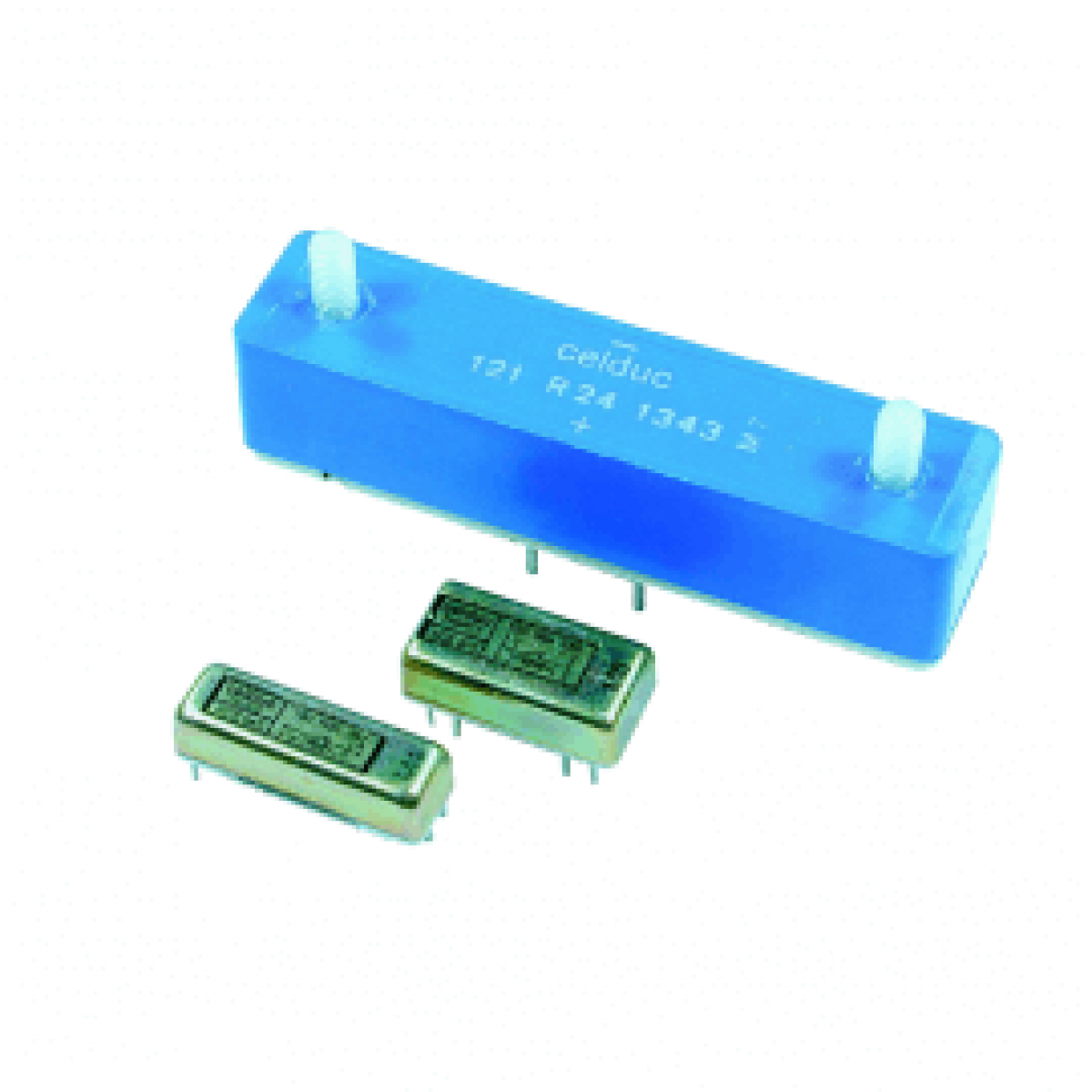
Low Voltage Wiring Relay Circuit Diagram This project will teach you how to control a 120V appliance using an Arduino Uno and a Relay Module!

This code is designed to control a relay, which in turn can control a high-voltage appliance (up to 250V) using a push button. The behavior is such that pressing and releasing the button once will turn the appliance on, and pressing it again will turn it off. This is often referred to as a "toggle" or "sticky" push button behavior.

Voltage Appliances with Arduino and Relay Module Circuit Diagram
As an example for this Arduino Relay Tutorial we will use the HL-52S 2 channel relay module, which has 2 relays with rating of 10A @ 250 and 125 V AC and 10A @ 30 and 28 V DC. The high voltage output connector has 3 pins, the middle one is the common pin and as we can see from the markings one of the two other pins is for normally open

Please click this link to see the full article: http://www.allaboutcircuits.com/projects/use-relays-to-control-high-voltage-circuitswwith-an-arduino/Circuits A relay requires a low voltage (e.g. 5v, 12v) to turn on the relay switch. You can use that switch to control high-voltage appliances. So we can control a relay (5v relay) switch using the Arduino output pin. On the other side, we can connect a high-voltage device (e.g. a 240v bulb) to control it. Introduction to Relay Module
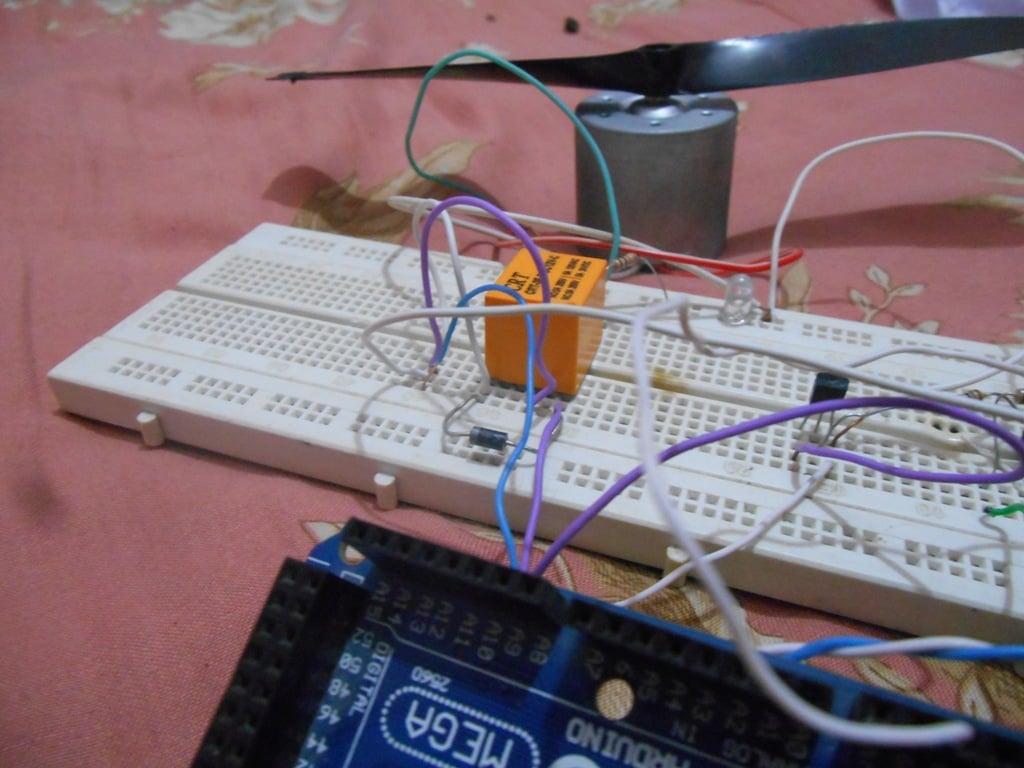
Relay Module with Arduino: A Comprehensive Guide Circuit Diagram
Arduino Relay Tutorial for High Voltage Control. As with most things Arduino, we're going to need a little code and we'll need an input. While it's certainly feasible to do this project without any inputs (using a timer loop, for example), we're going to use a photoresistor. A photoresistor is a resistor that changes its resistance